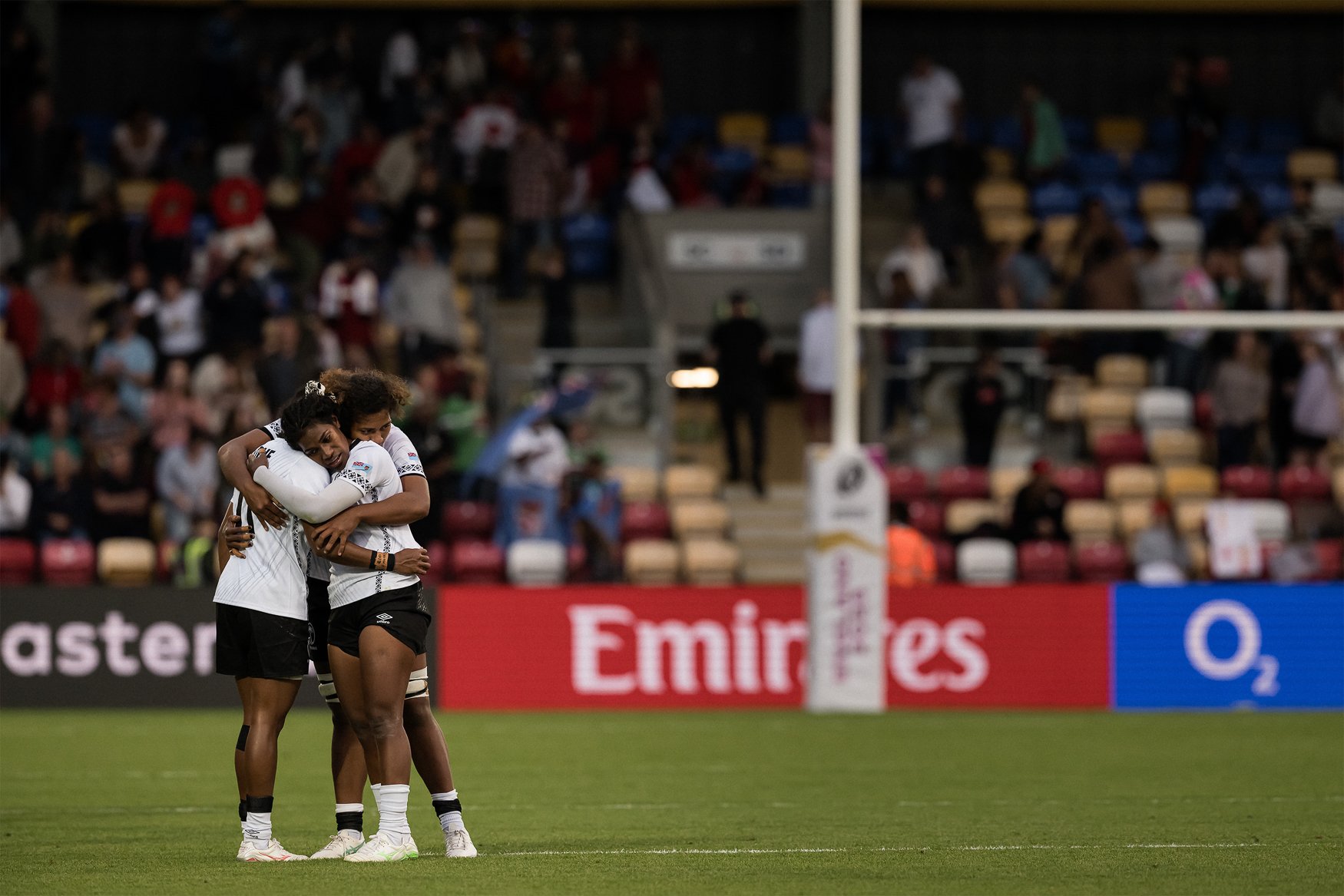
The Women’s Rugby World Cup: Seen From the Inside
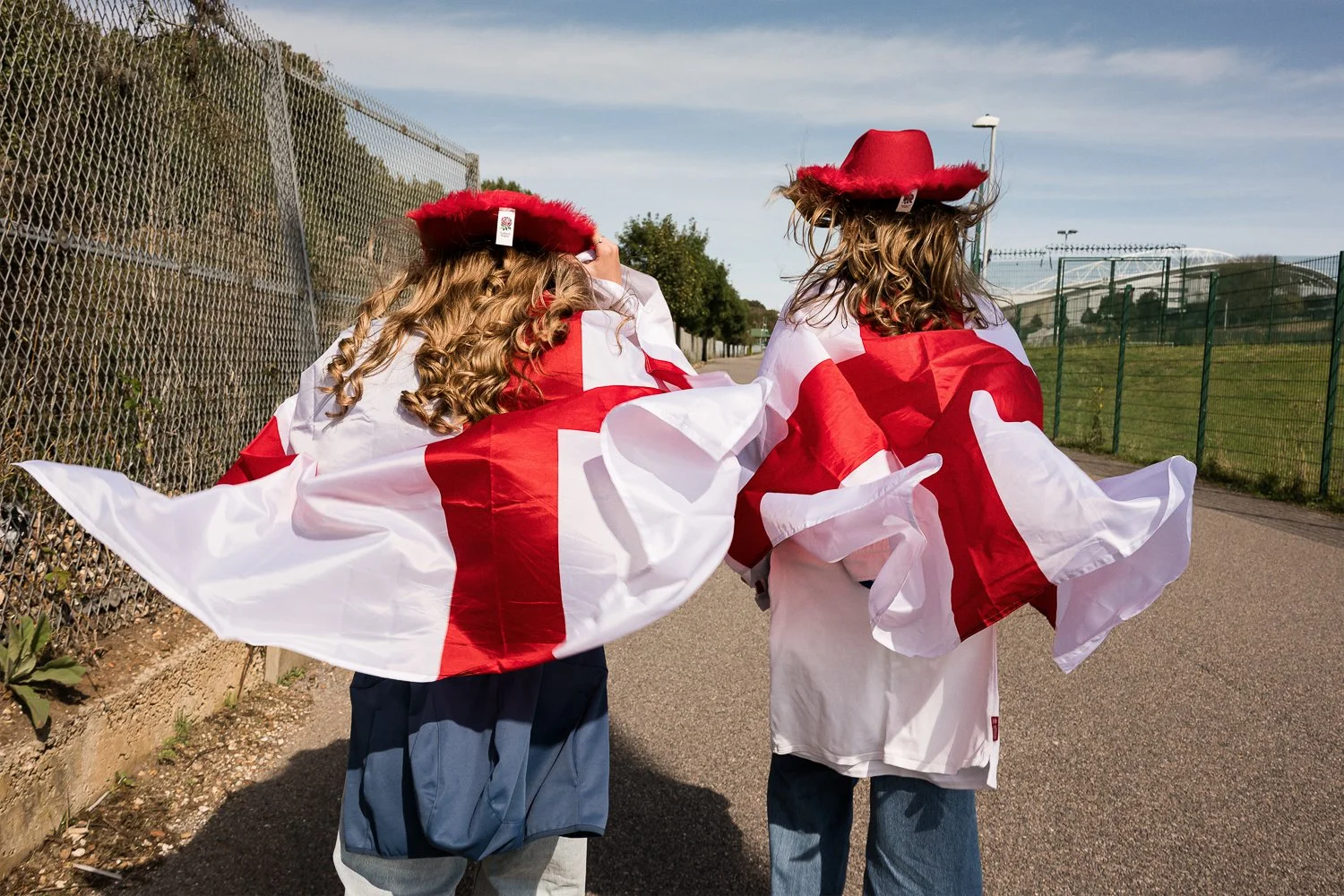
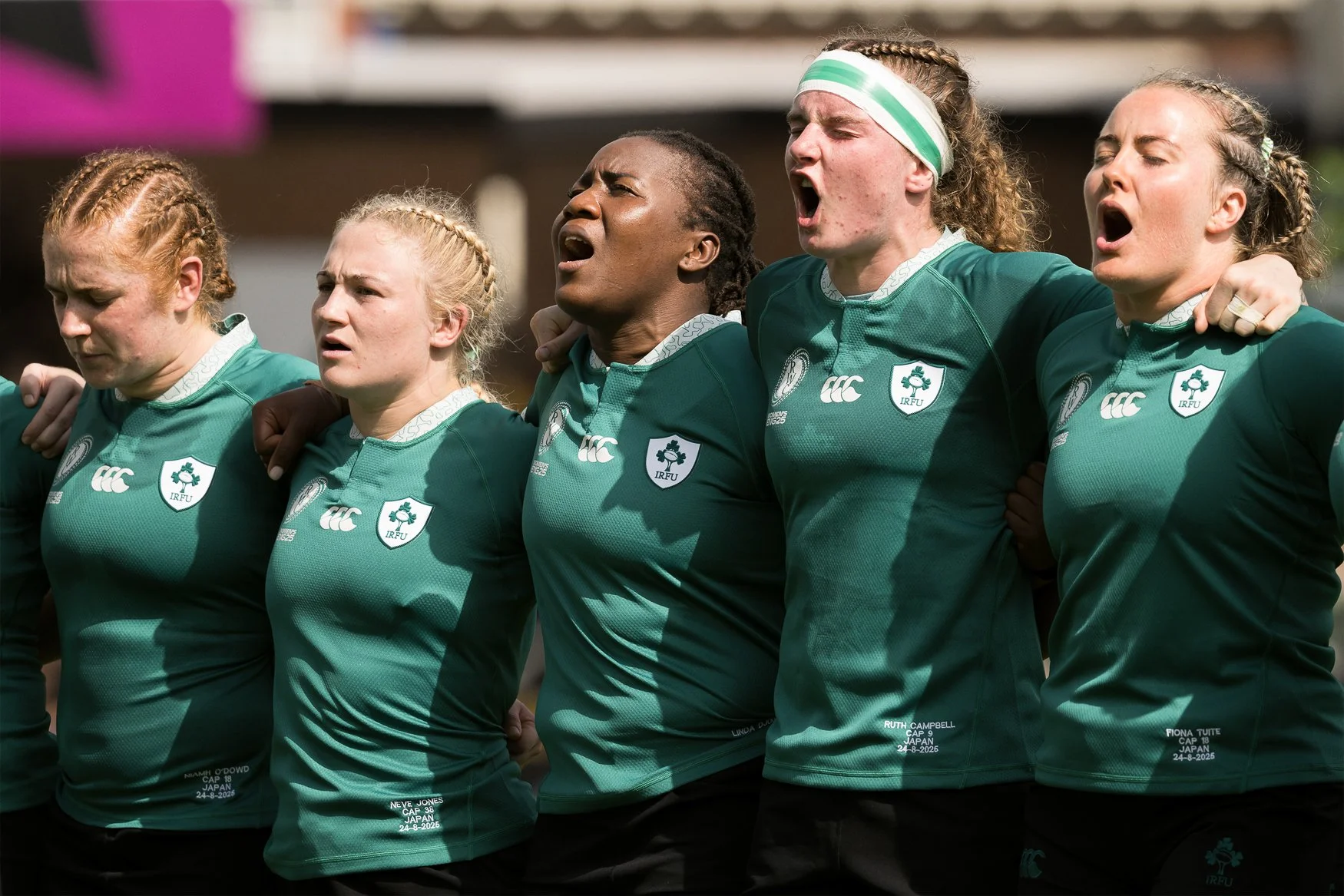
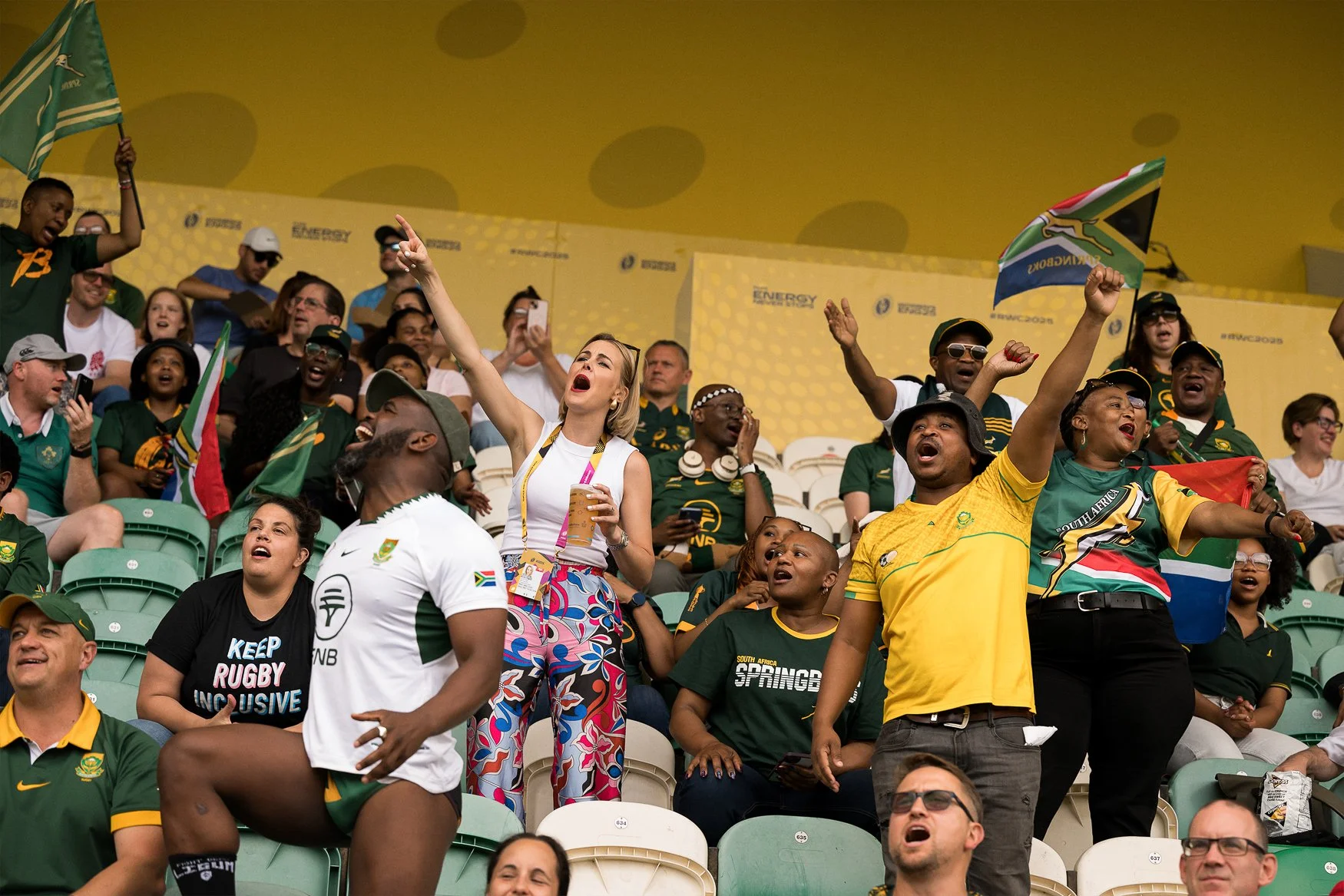
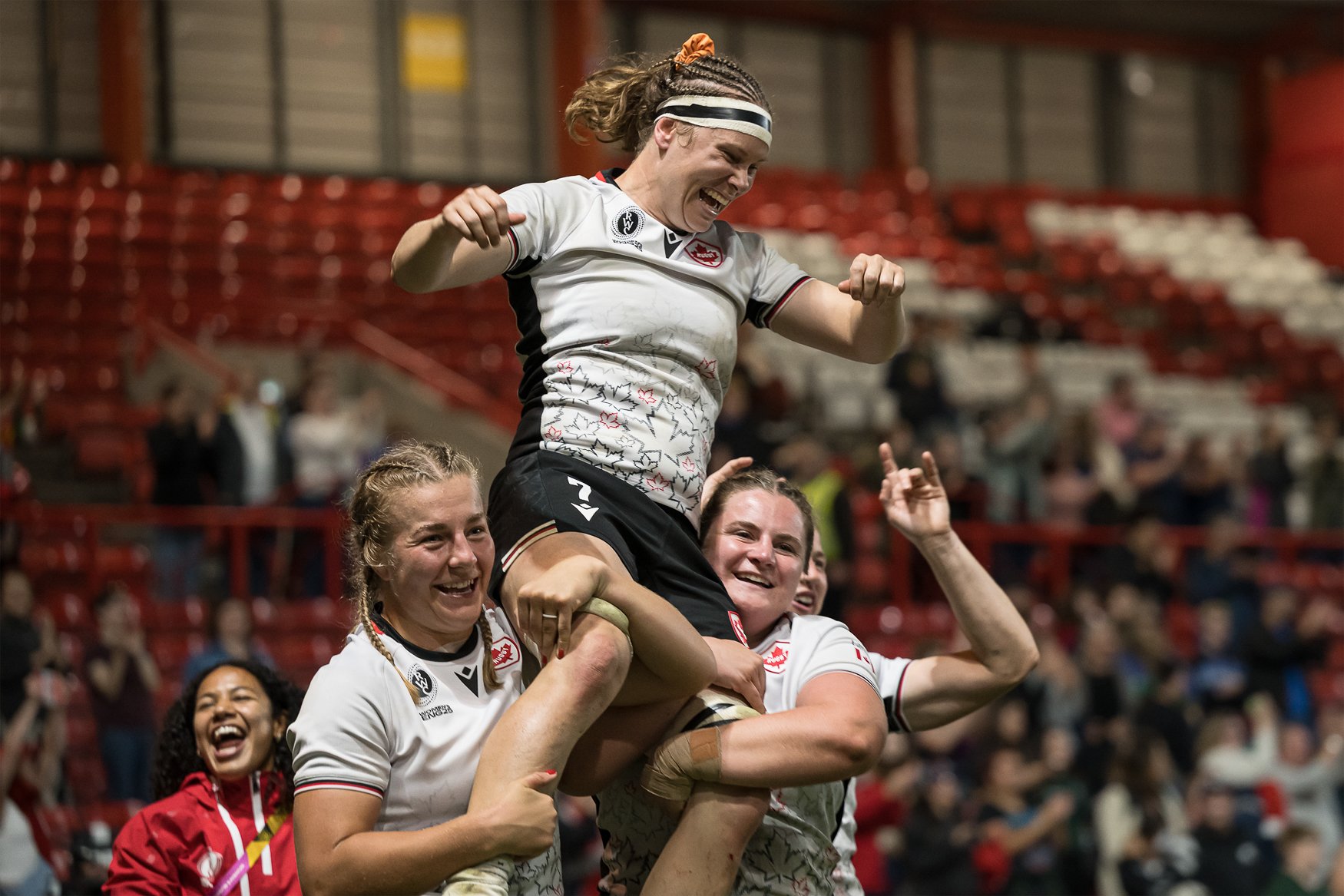
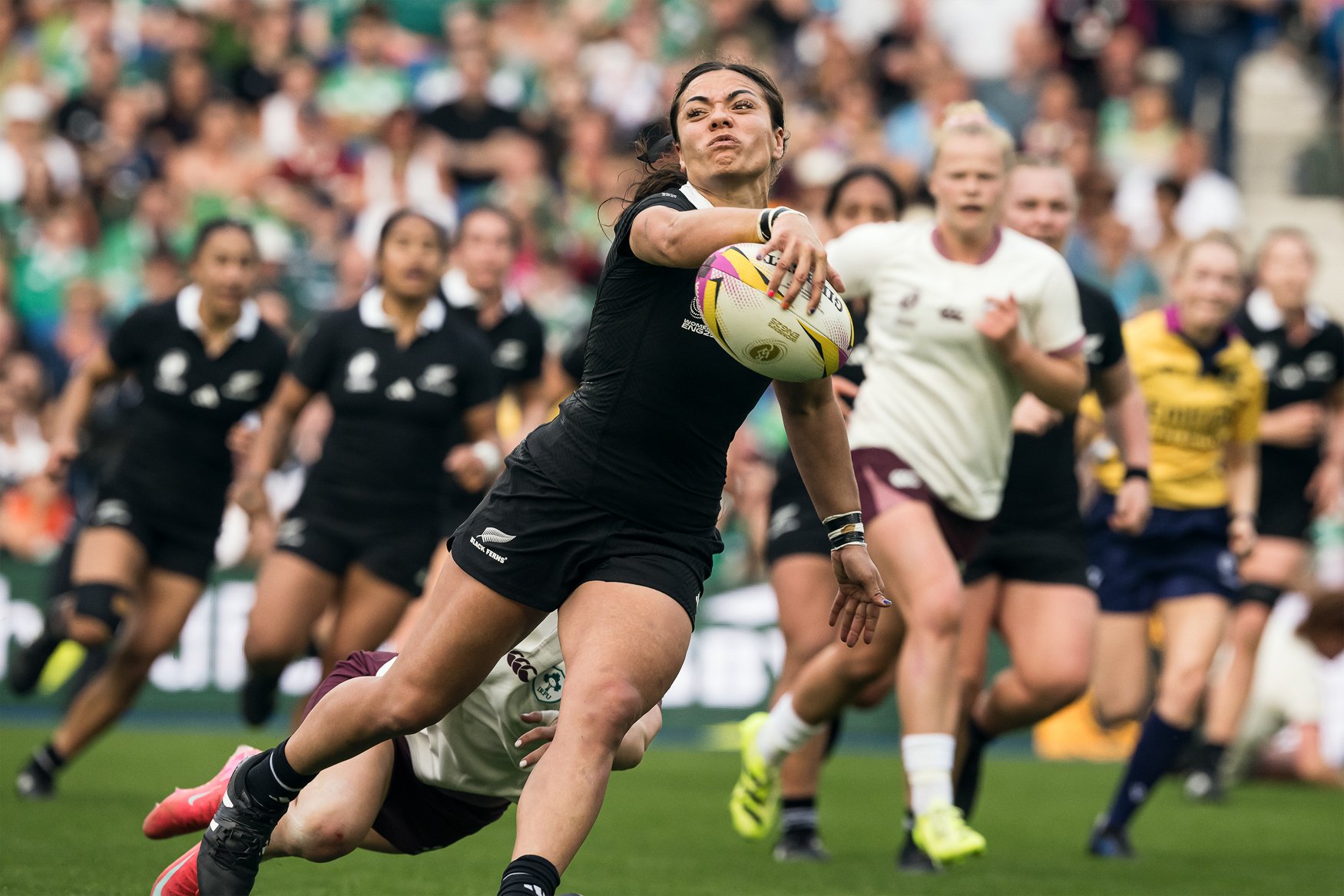
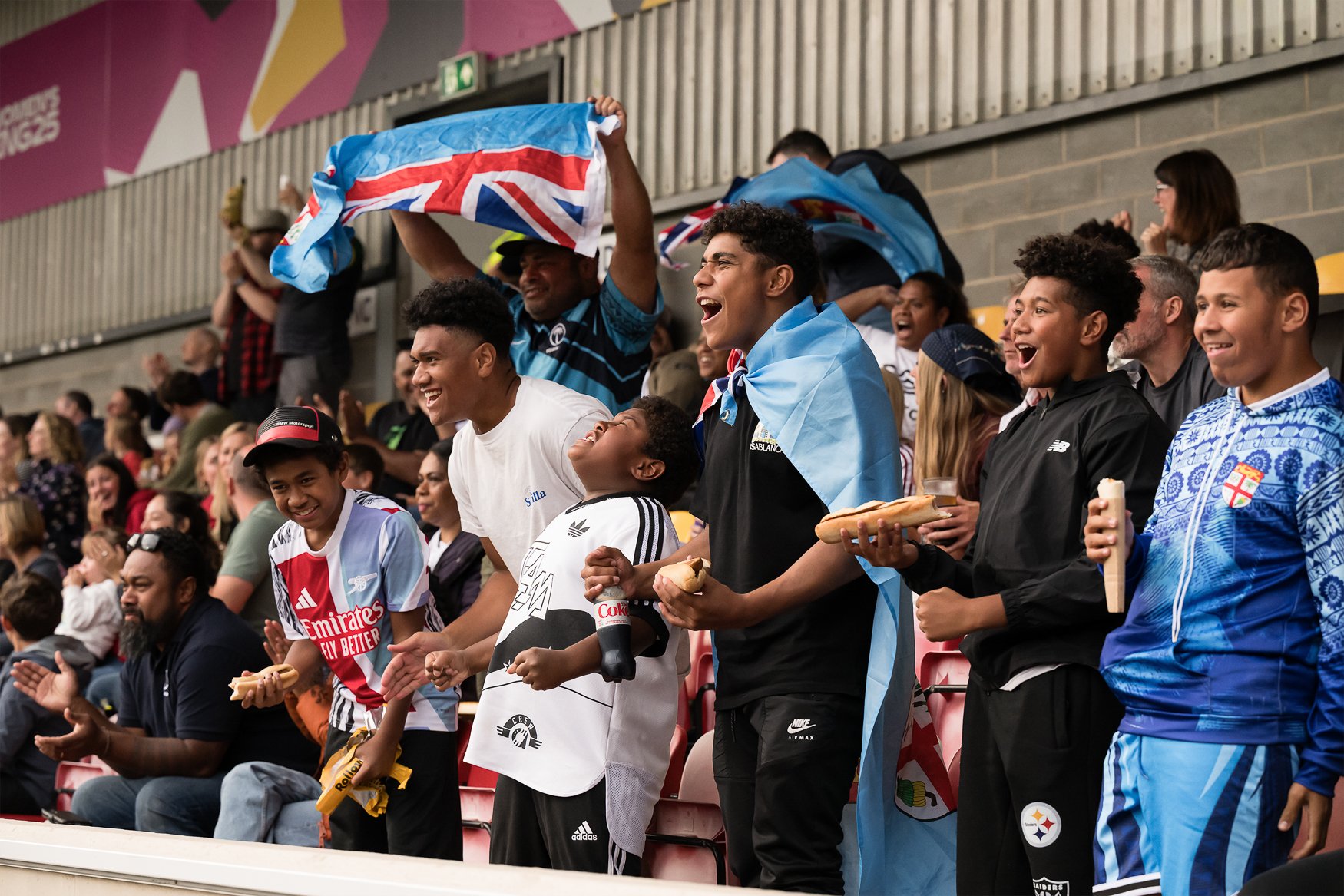
The Spirit of Rugby World Cup 2025
The Rugby World Cup didn’t announce itself politely. It arrived with momentum and gathered people who might not agree on much else, then gave them something to stand behind together. Photographing the Women’s Rugby World Cup in 2025 wasn’t just a career milestone for me, it felt culturally important. It was a tournament shaped by years of work finally being seen, and documenting it as a female sports photographer carried both excitement and responsibility.
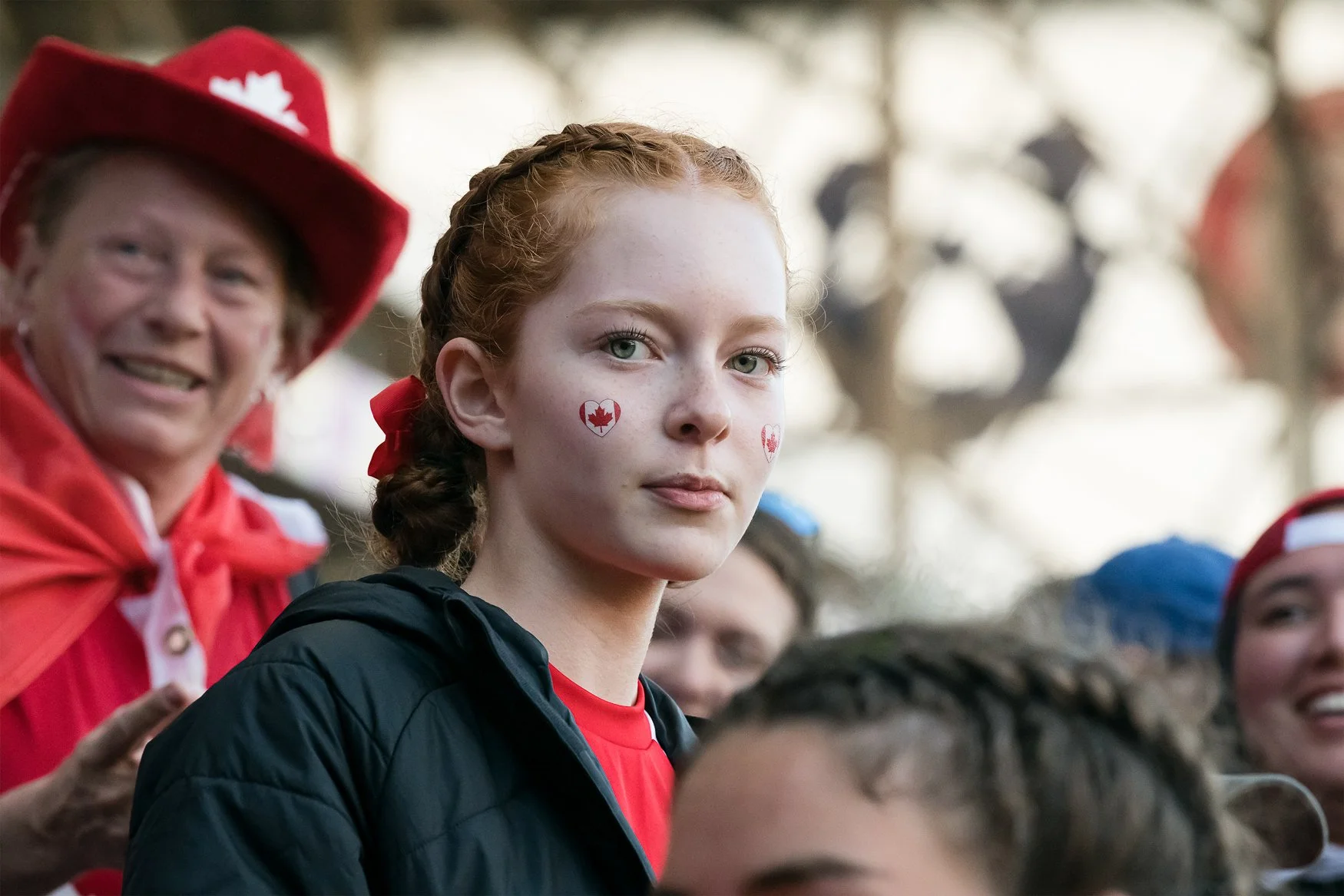
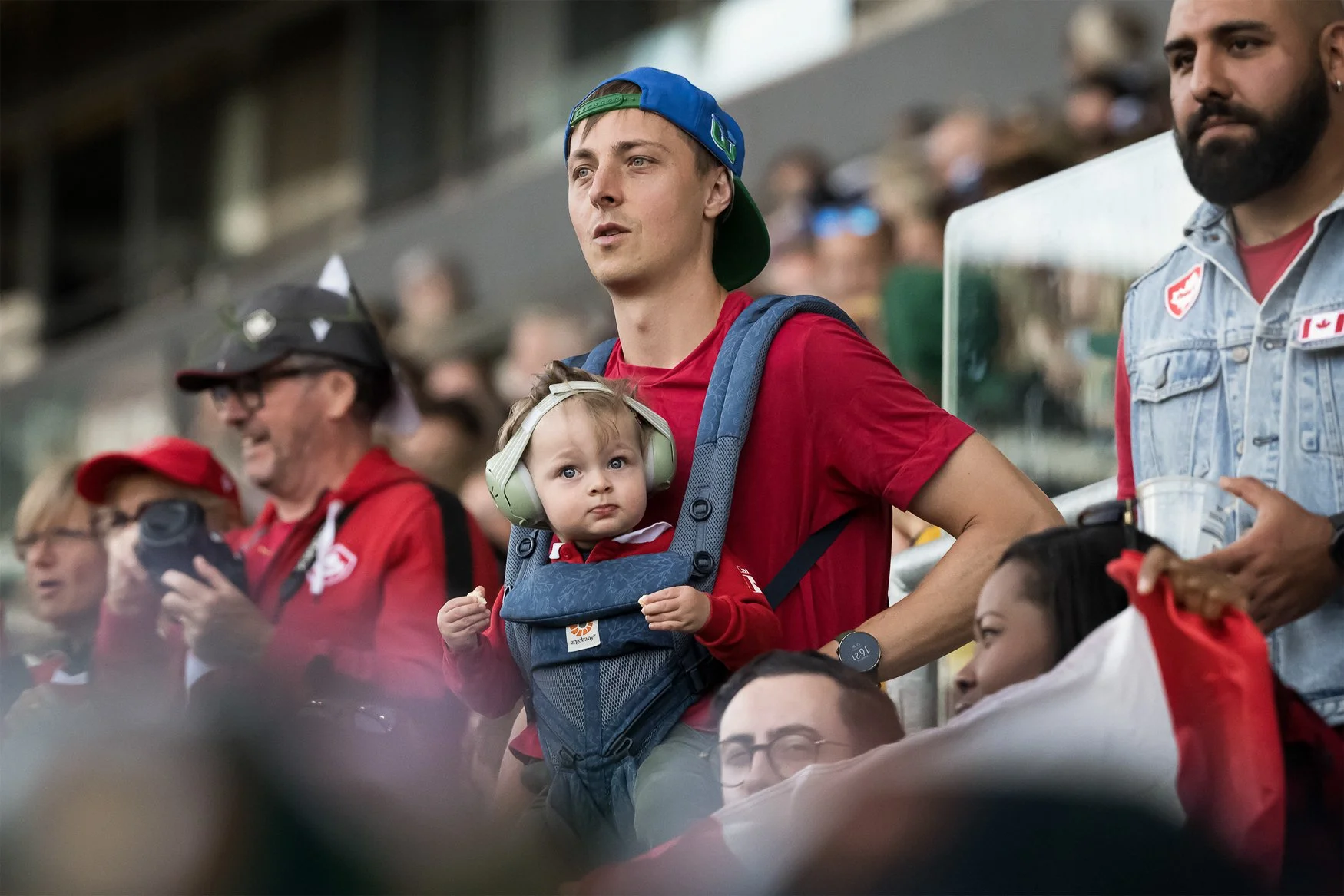
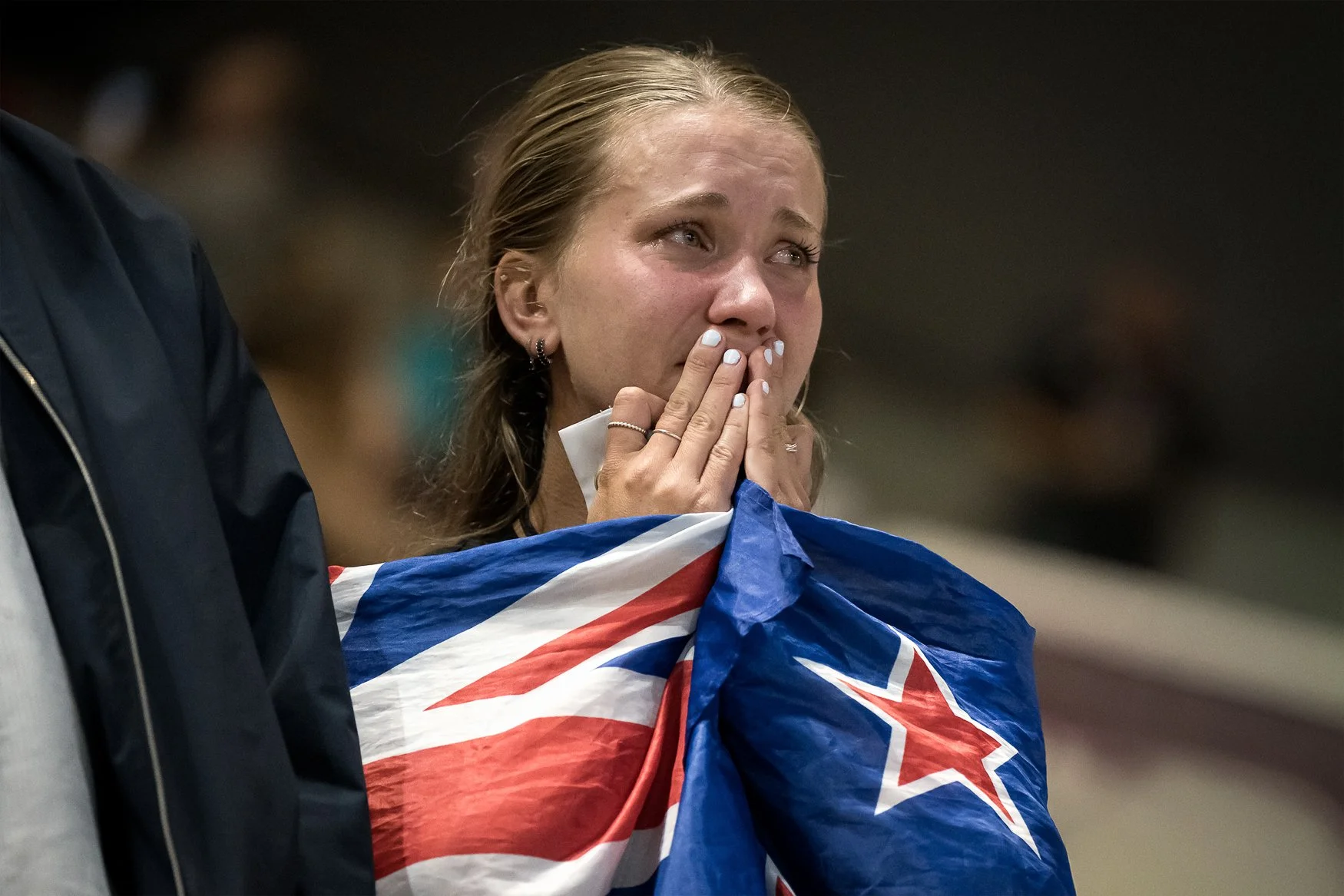
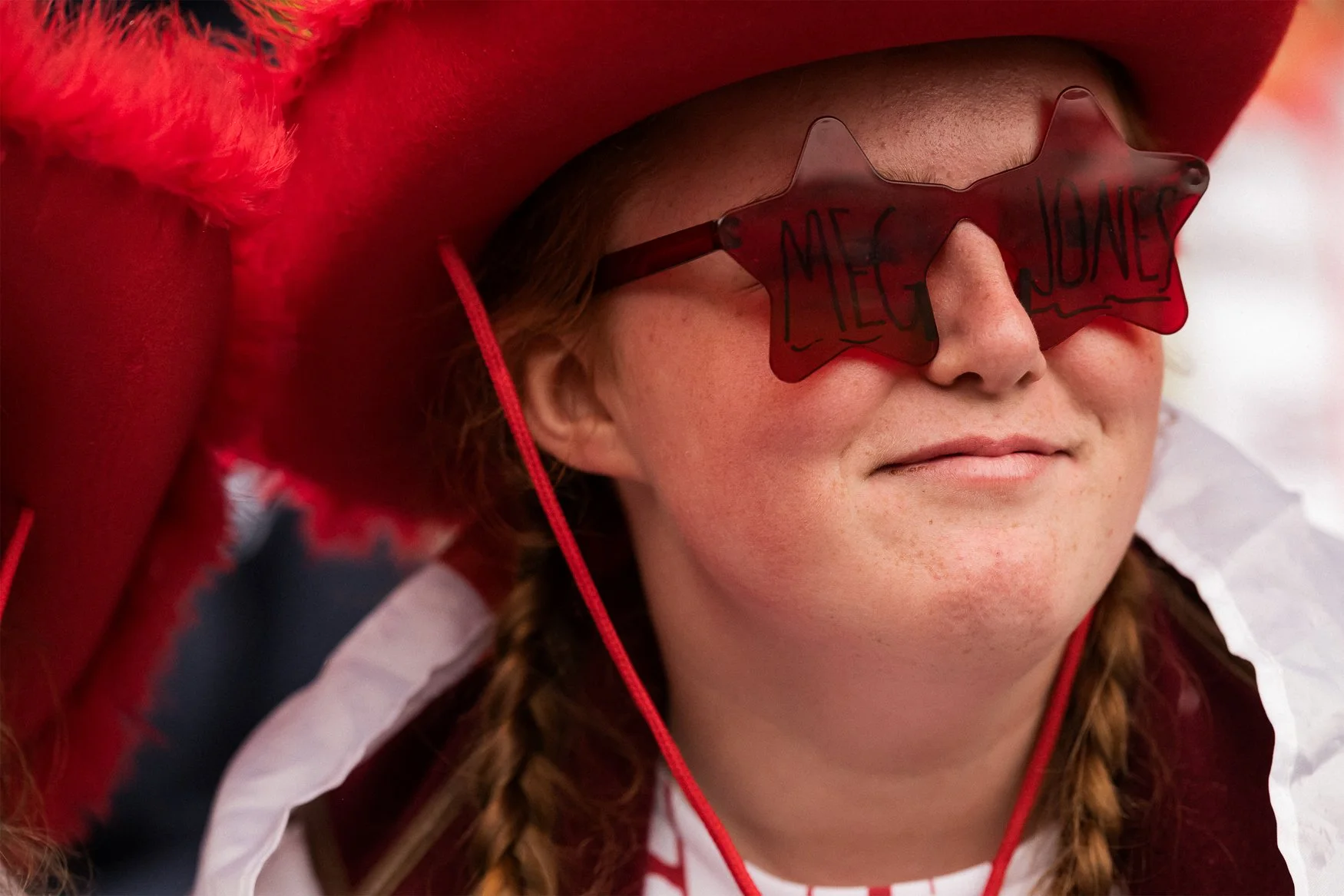
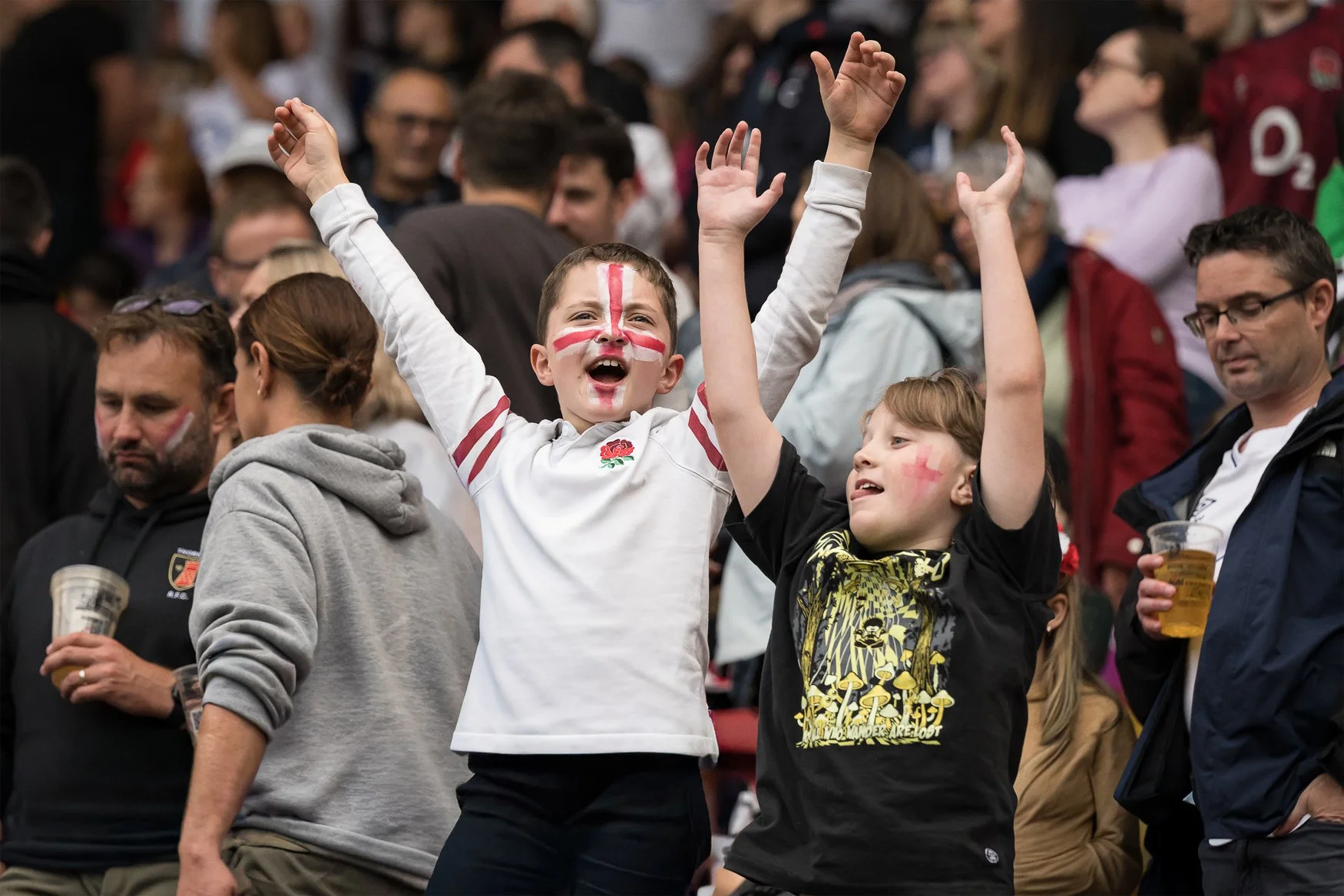
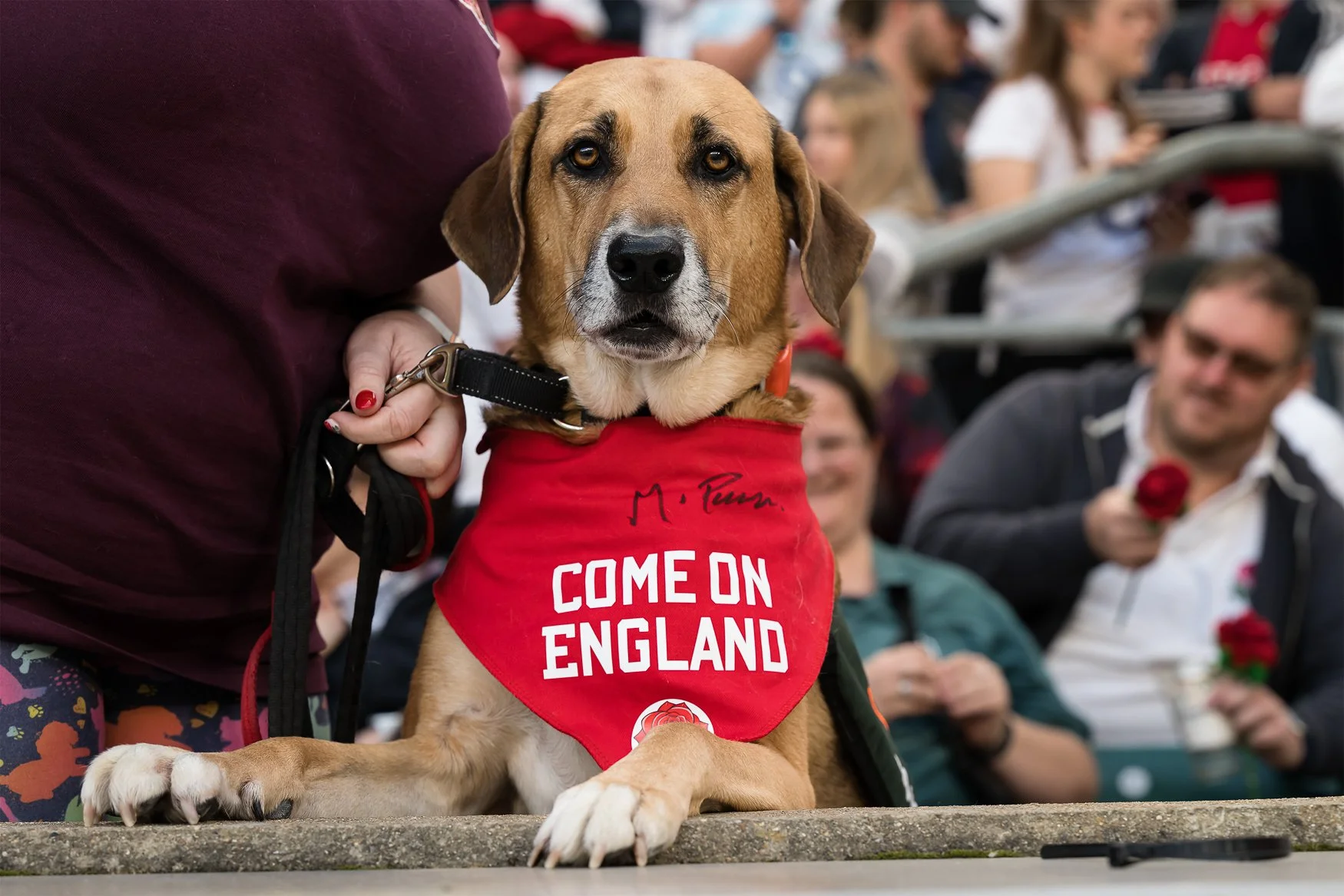
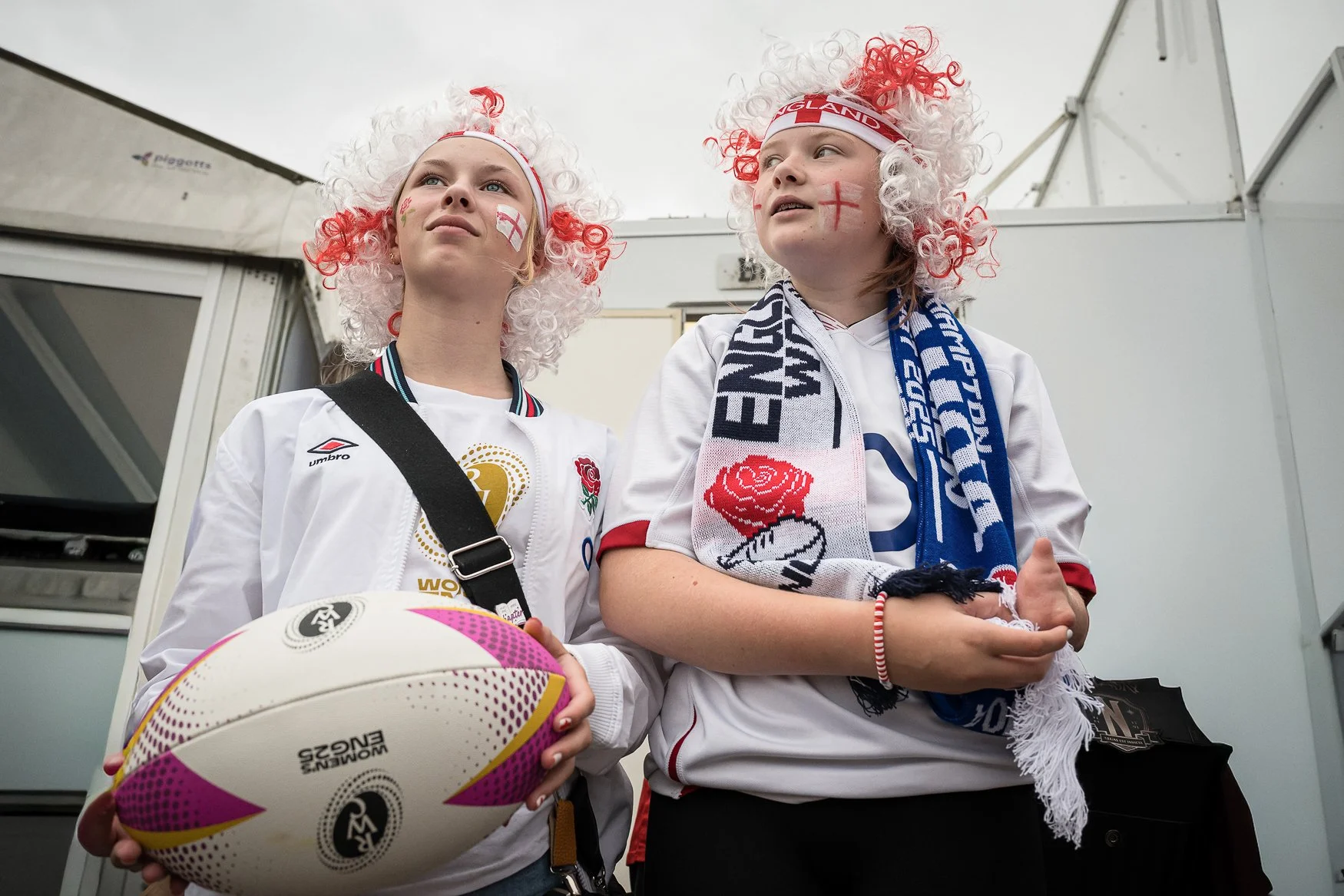
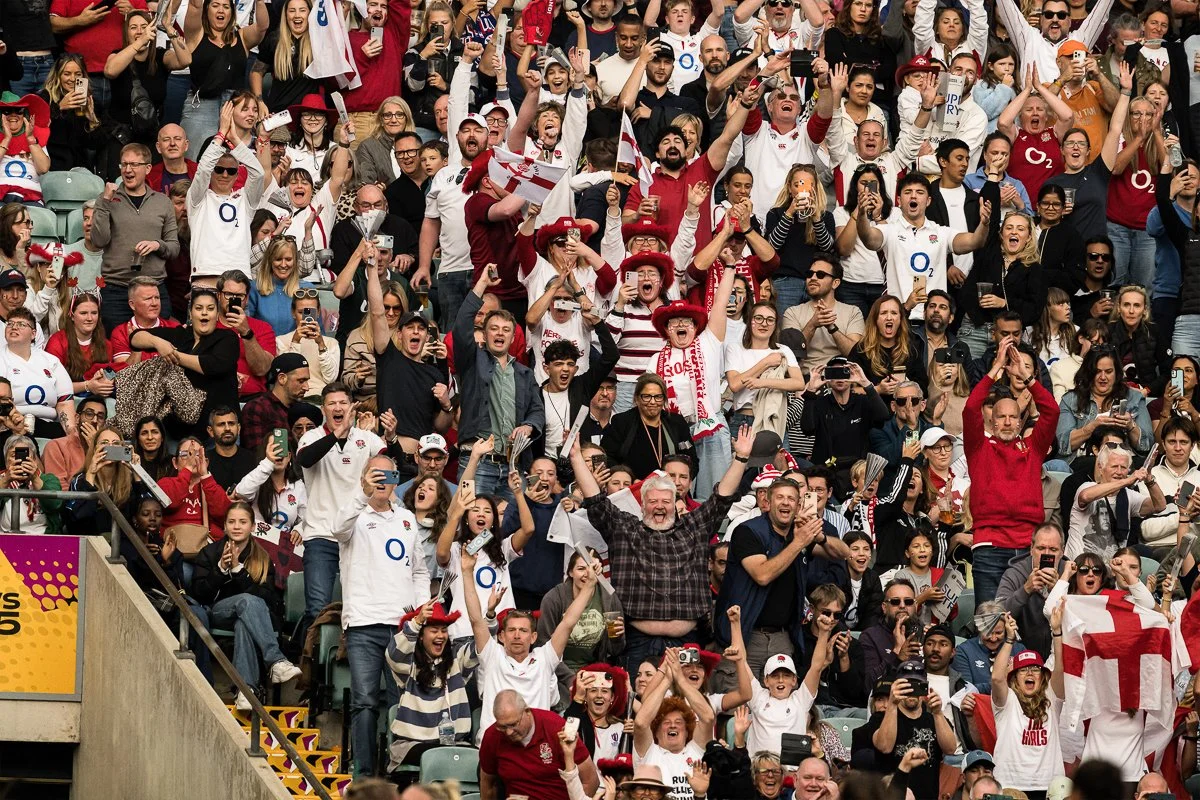
From the outset, the atmosphere was unmistakable. Not only in scale, although that mattered, but in tone. The crowds told the story long before it kicked-off. Children pressed against barriers. Older supporters who had followed rugby for decades. Families, queer couples, new fans and lifelong ones. People arrived curious and left invested. That sense of shared ownership is one of the great strengths of sport when it’s allowed to grow properly.
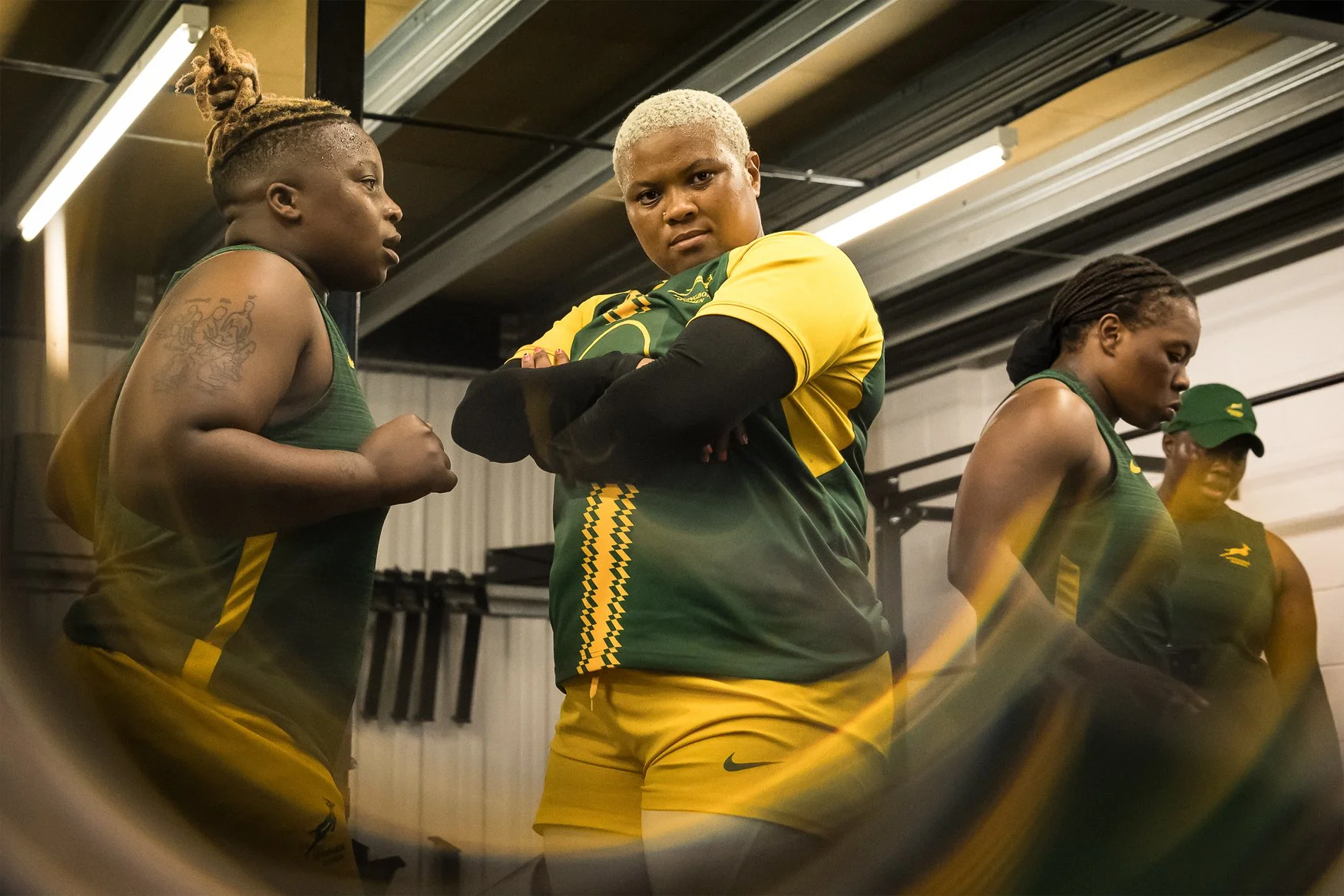
Why Lived Experience Shapes Powerful Sports Photography
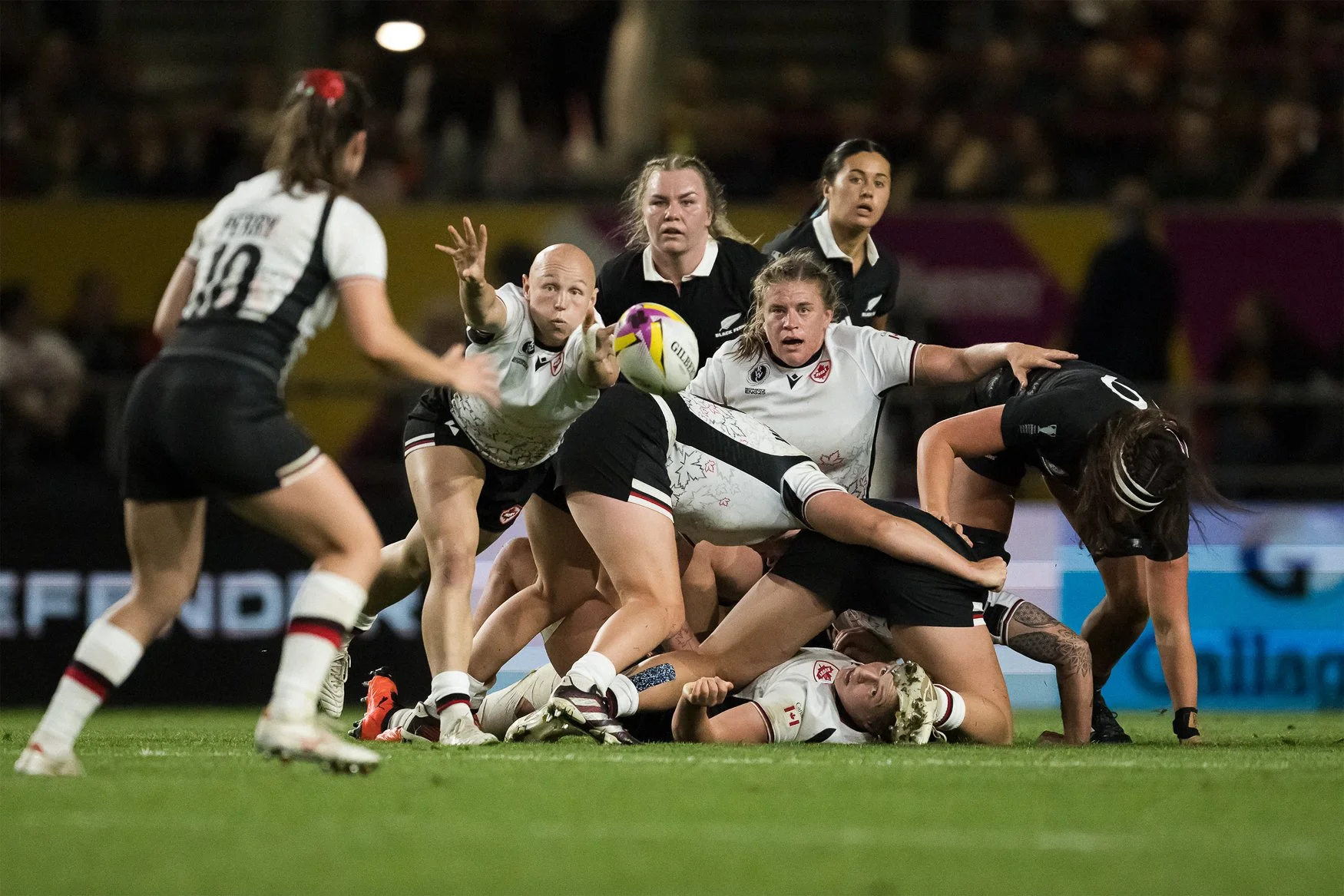
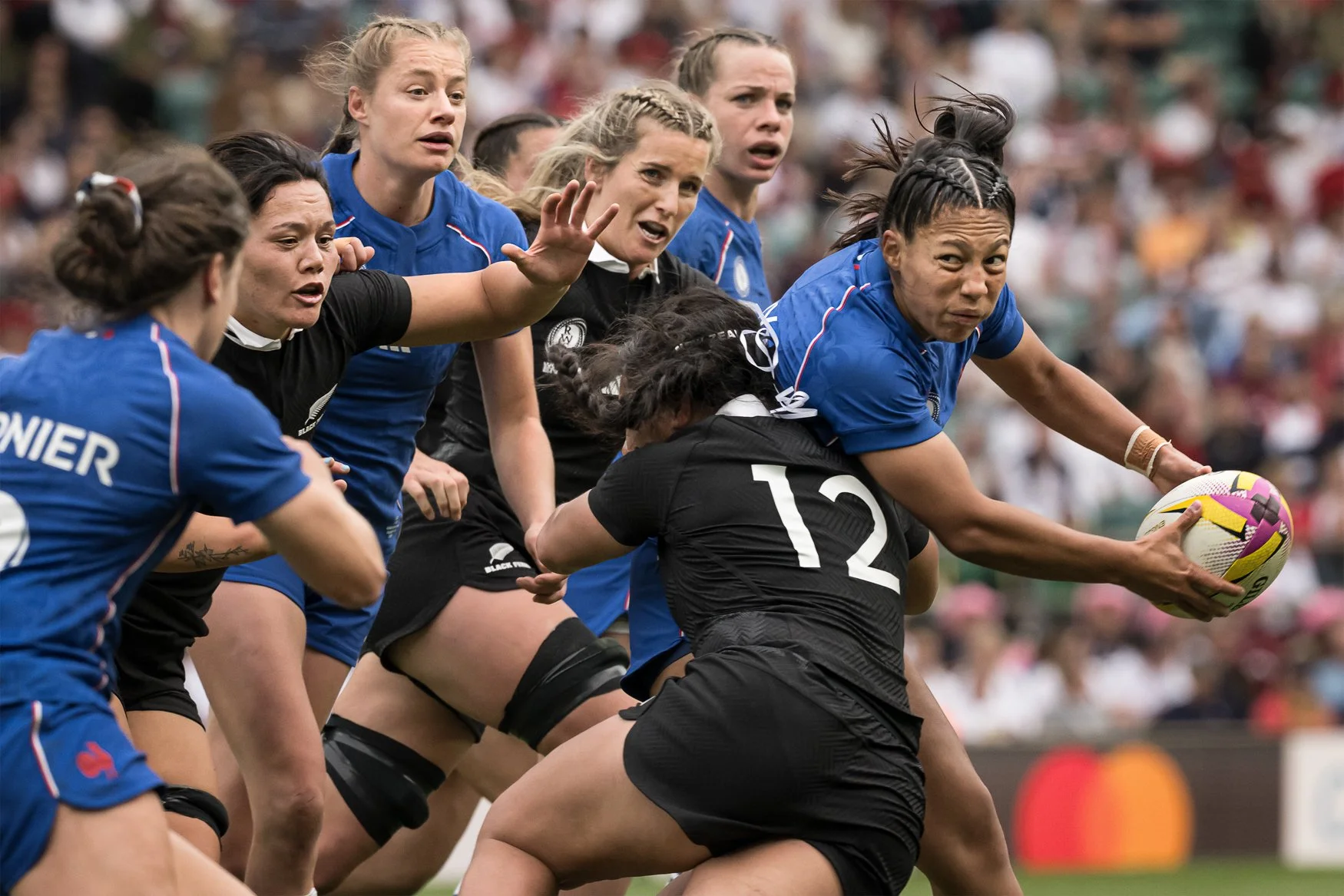
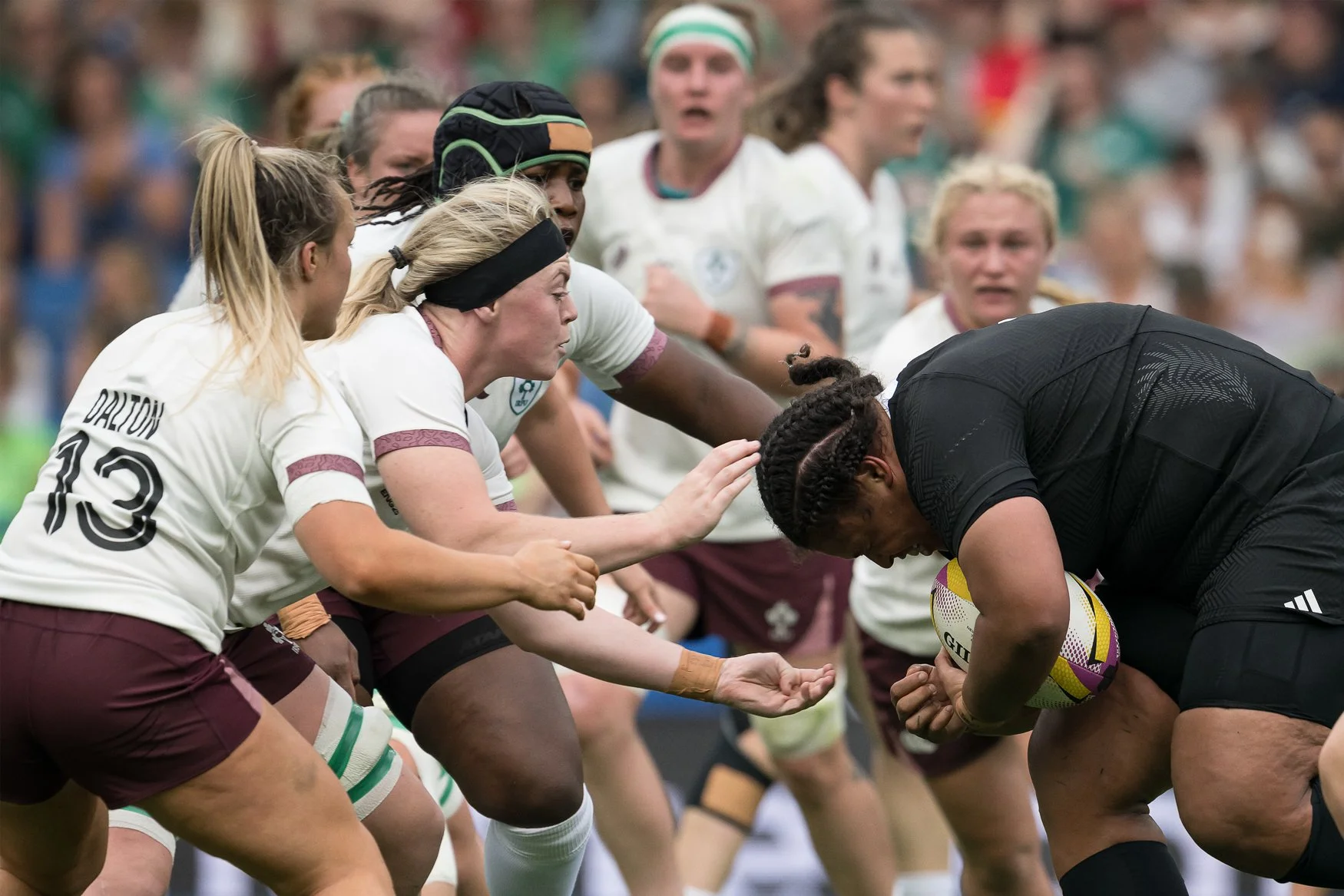
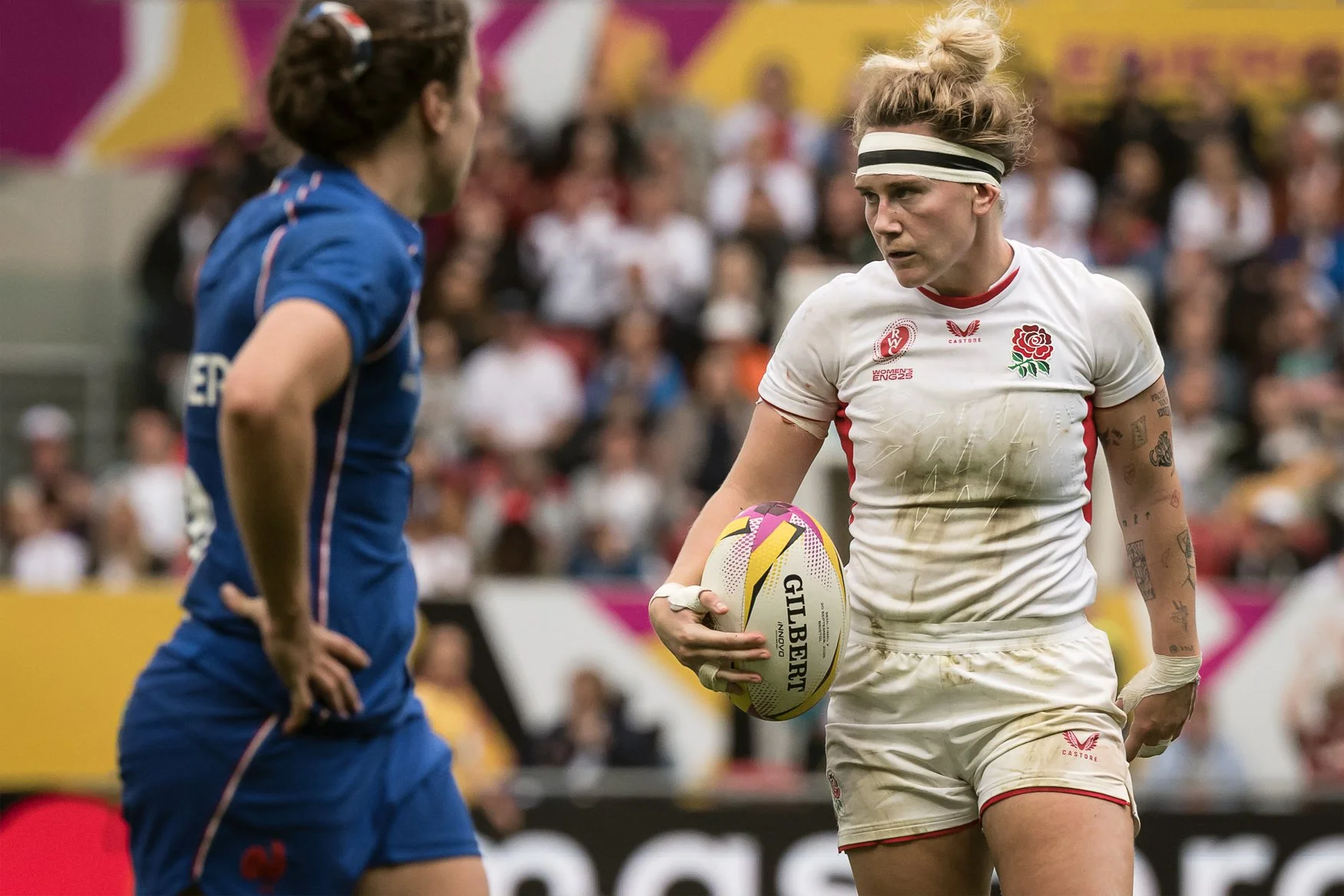
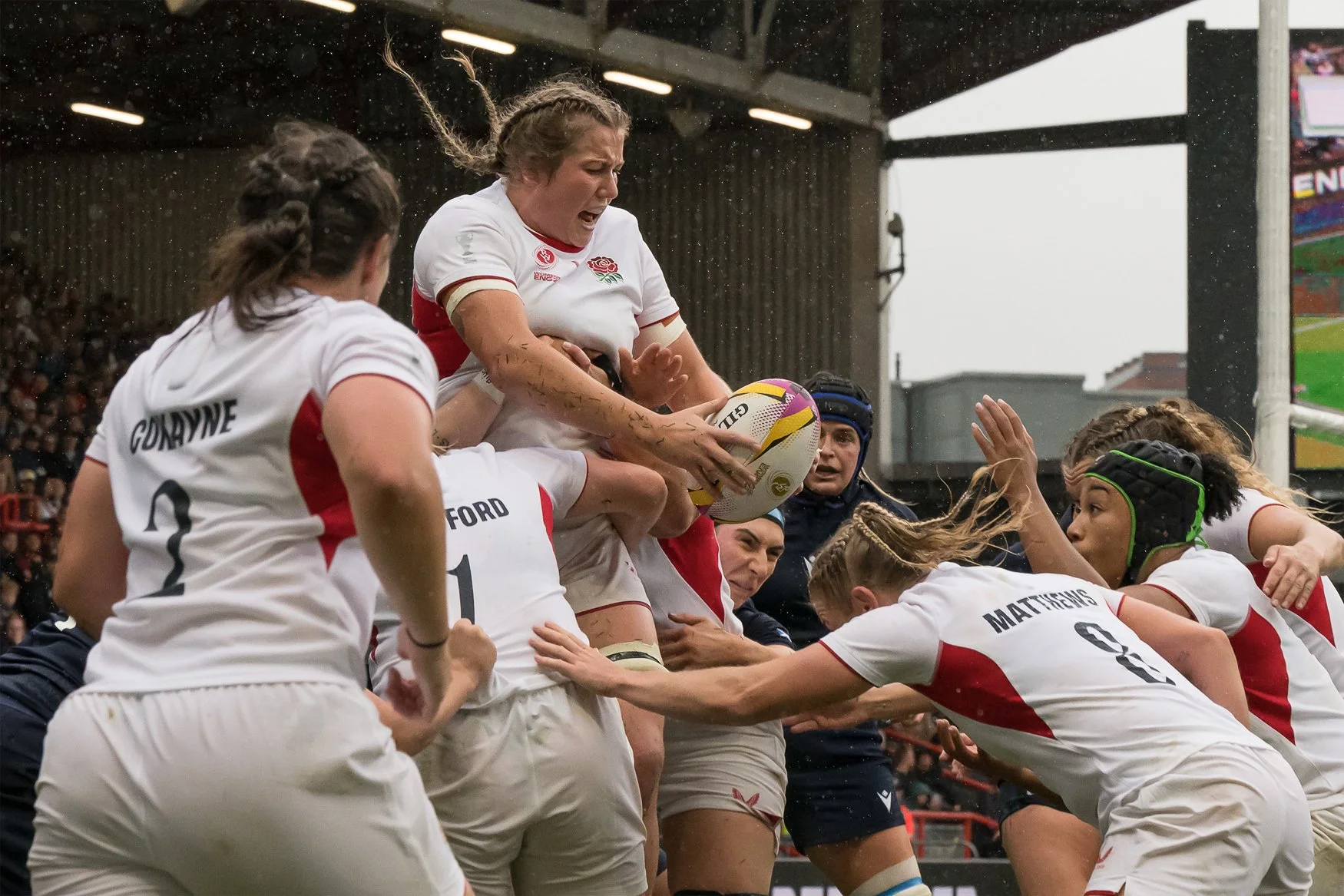
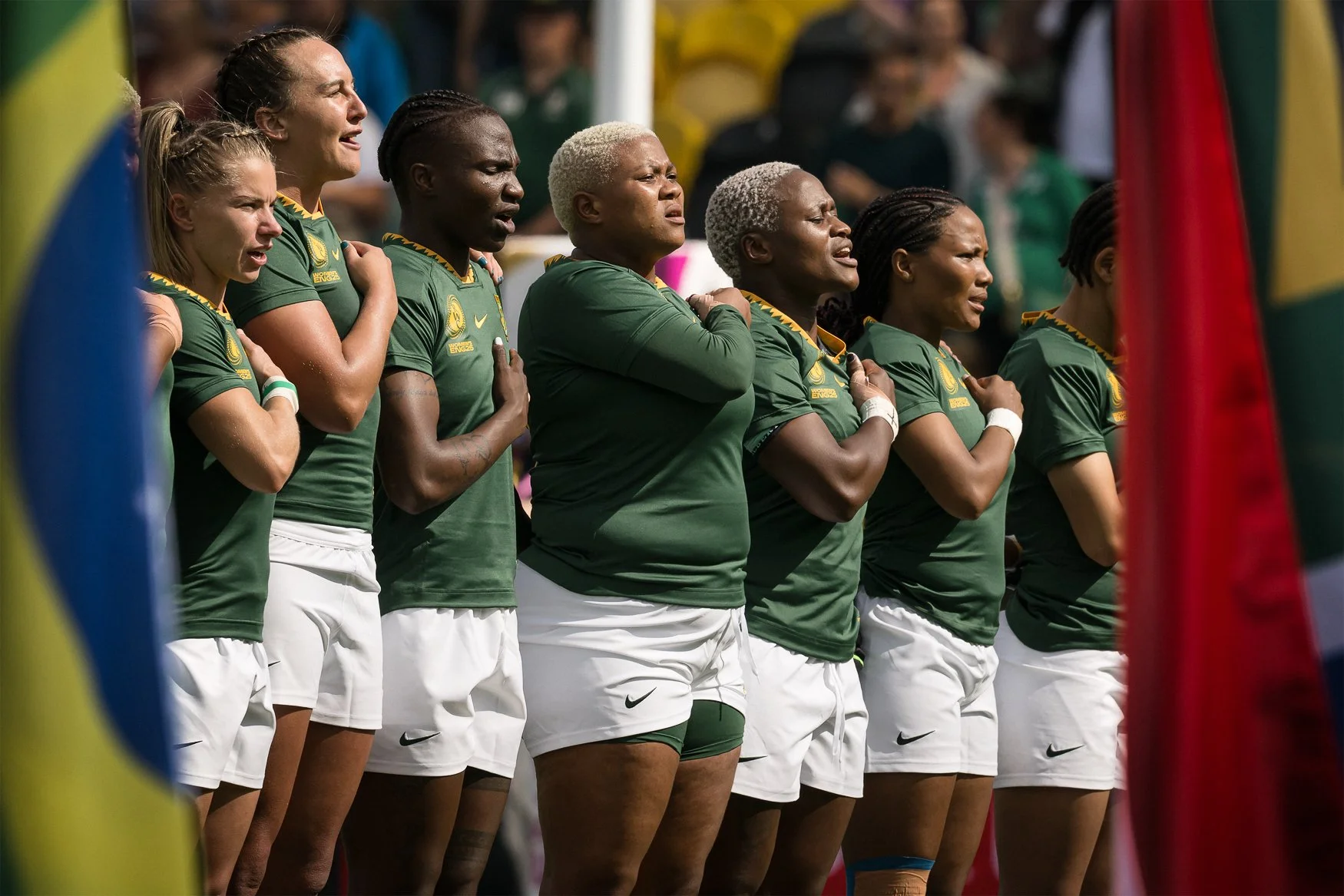
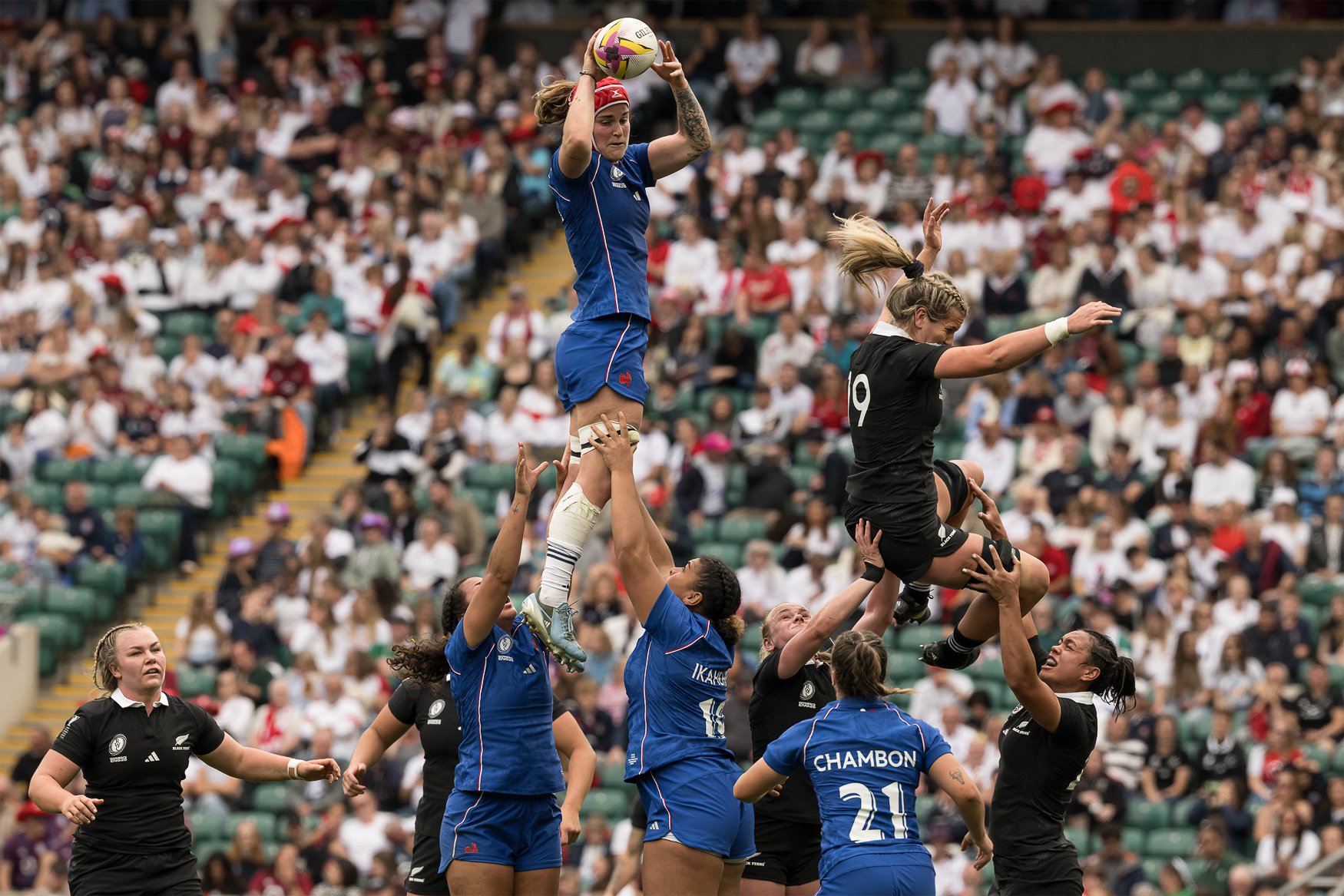
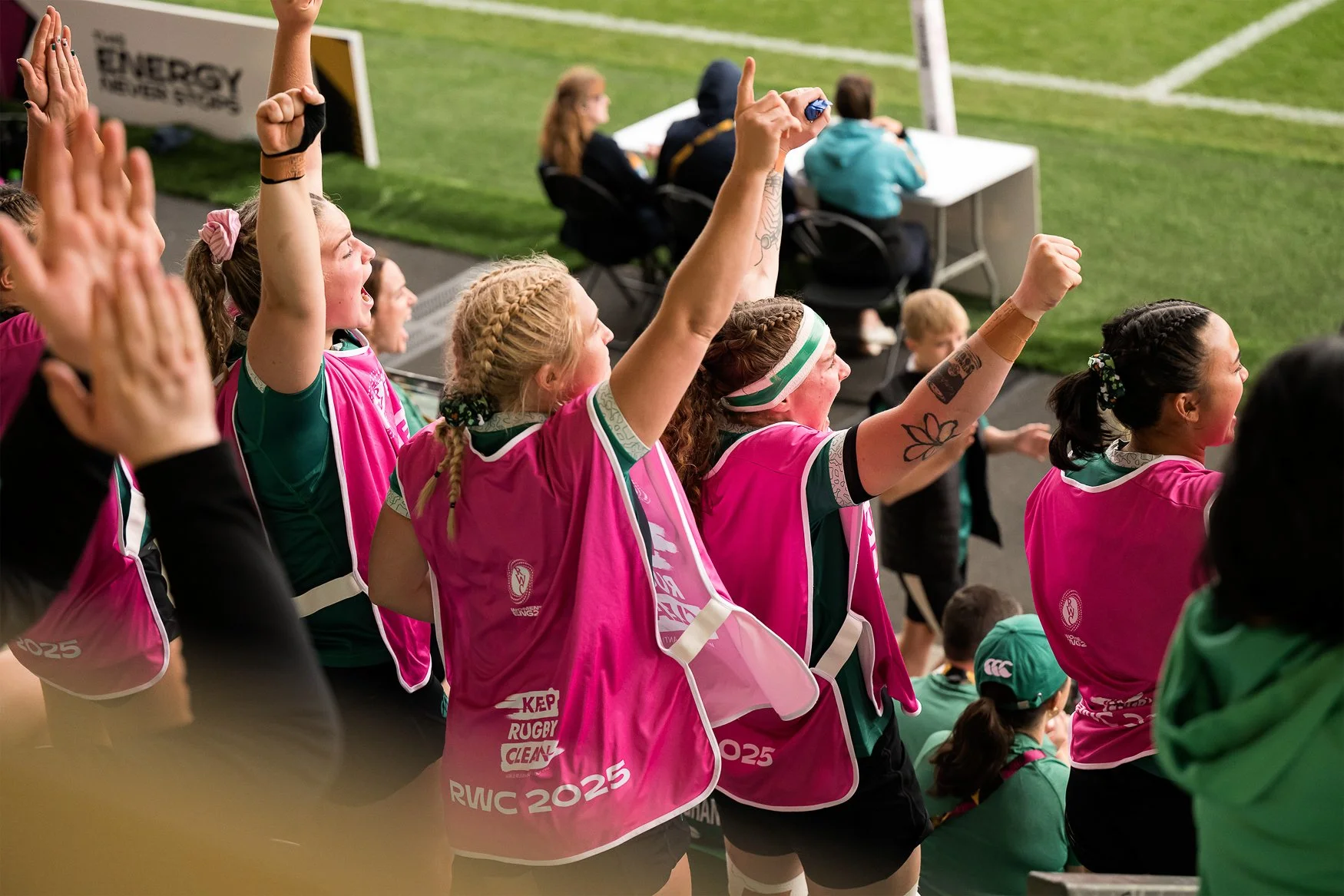
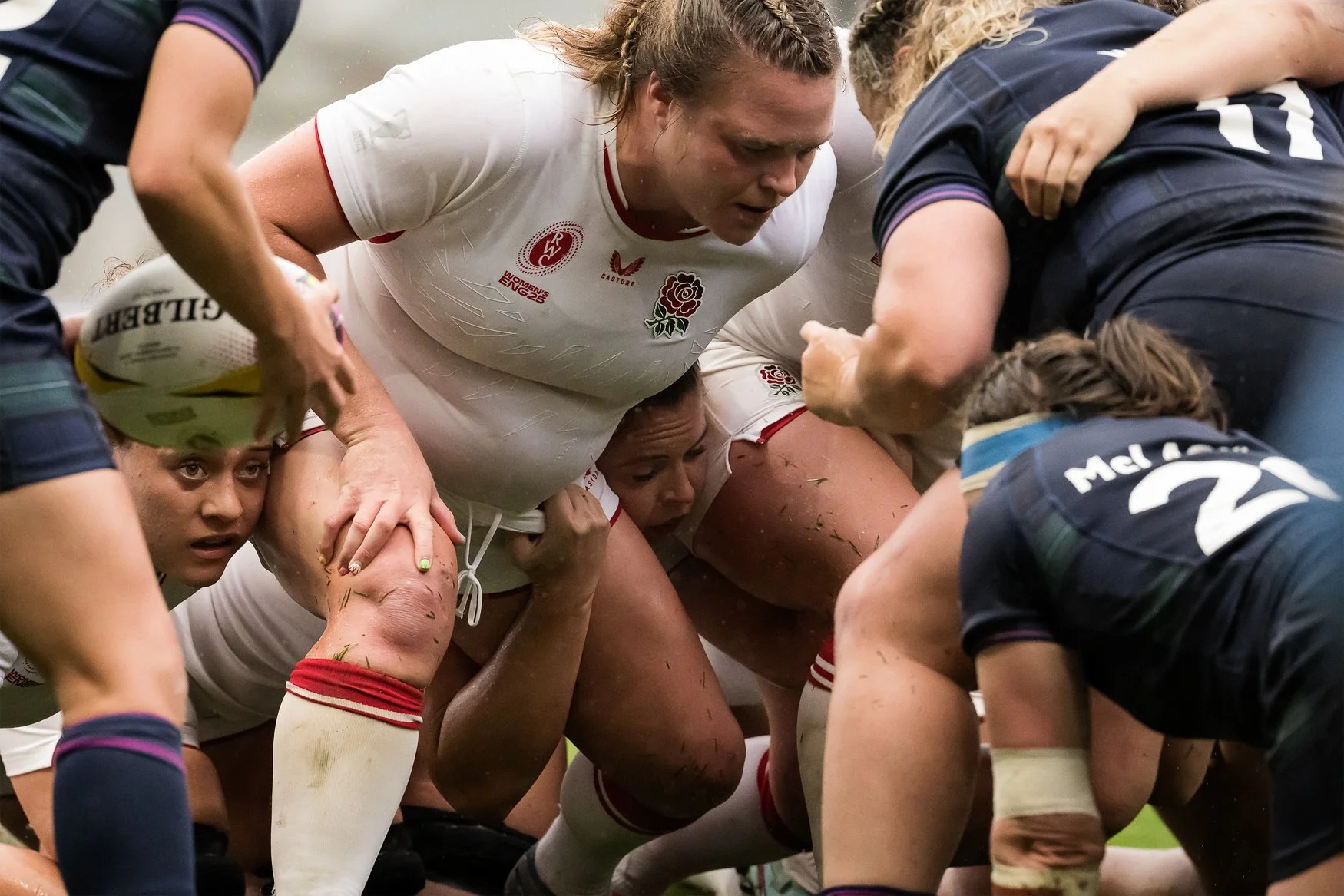
What struck me most wasn’t just the quality of the rugby, though the standard was exceptional. It was the emotional literacy of the crowd. Support moved easily across difference. The players on the field were women, but the game belonged to everyone watching. Pride, heartbreak and joy coexisted without explanation. It was a reminder of how sport, at its best, dissolves the labels we place on one another.
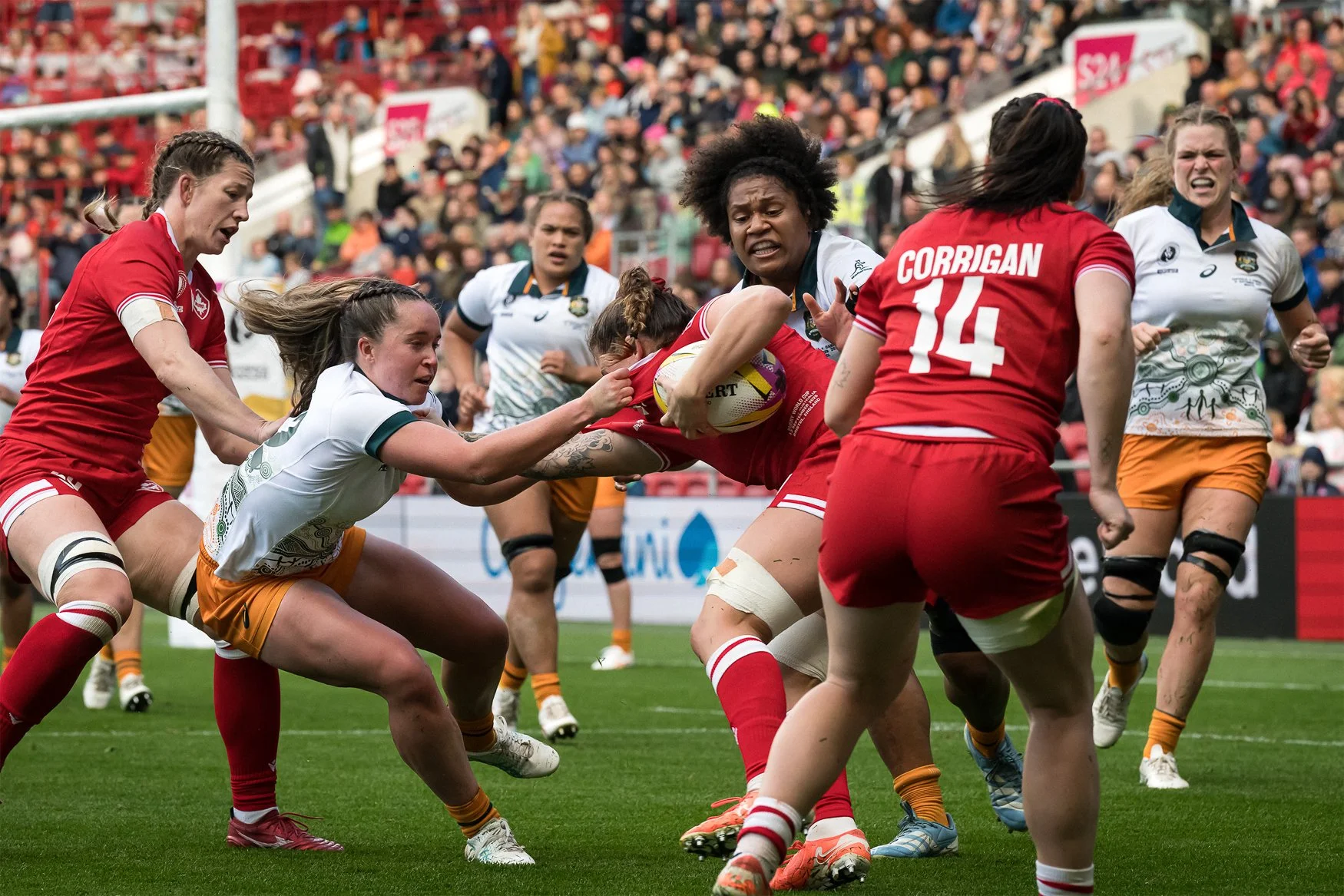
One moment in particular has stayed with me. After the Canada versus Australia quarter-final, young boys waited patiently by the barriers, programmes in hand. The Australian players, exhausted and disappointed, stopped. They handed over shirts and socks. No fanfare. No performance. Just generosity. Boys idolising women athletes. Girls watching women be revered. A powerful glimpse of a generational shift happening in real time.
What You Don’t See Behind Major Sporting Images
Images like these carry more unseen labour than most people realise. Long before the first match, from late 2024 through to summer 2025, I was working to secure the commissions that would make accreditation possible. Pitching widely, developing proposals, budgeting, planning creatively and logistically. In women’s sport, access and funding are still closely linked, and experience doesn’t remove uncertainty. Even with more than thirty years working as a sports photographer, and deep roots in rugby, the path isn’t guaranteed.
During this period, I was invited into a three-way bid for a campaign connected to the home team. As discussions progressed, it became clear I was the only female photographer under consideration. I invested fully, creatively and financially, and the feedback was extremely positive. Ultimately, the work went to someone with an existing relationship. The decision made sense, familiarity often feels safer, but it also prompted reflection on how women photographers can still be perceived as a less secure choice, even when experience, credentials and specialist knowledge are strong.
The Role of a Female Sports Photographer at Scale
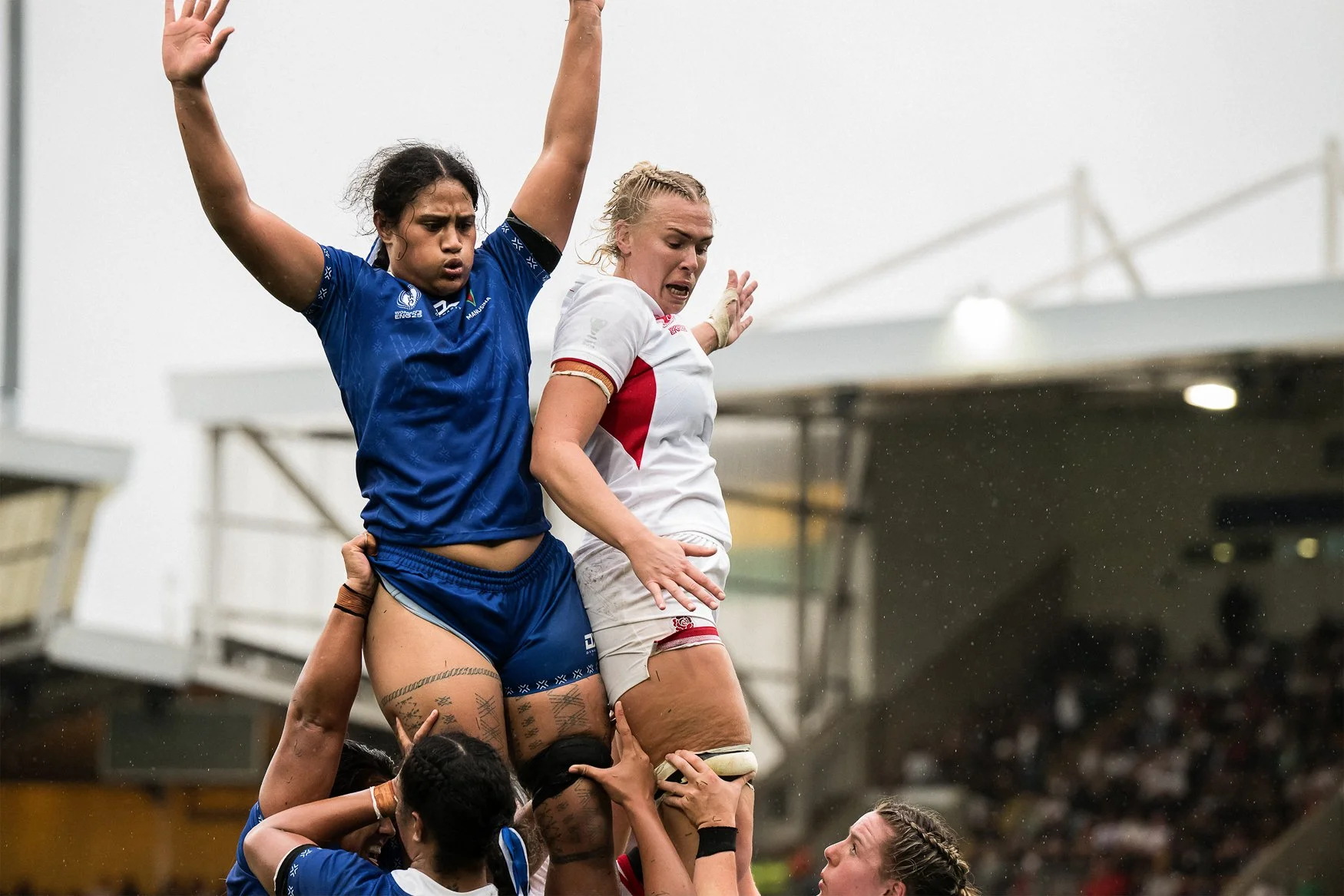
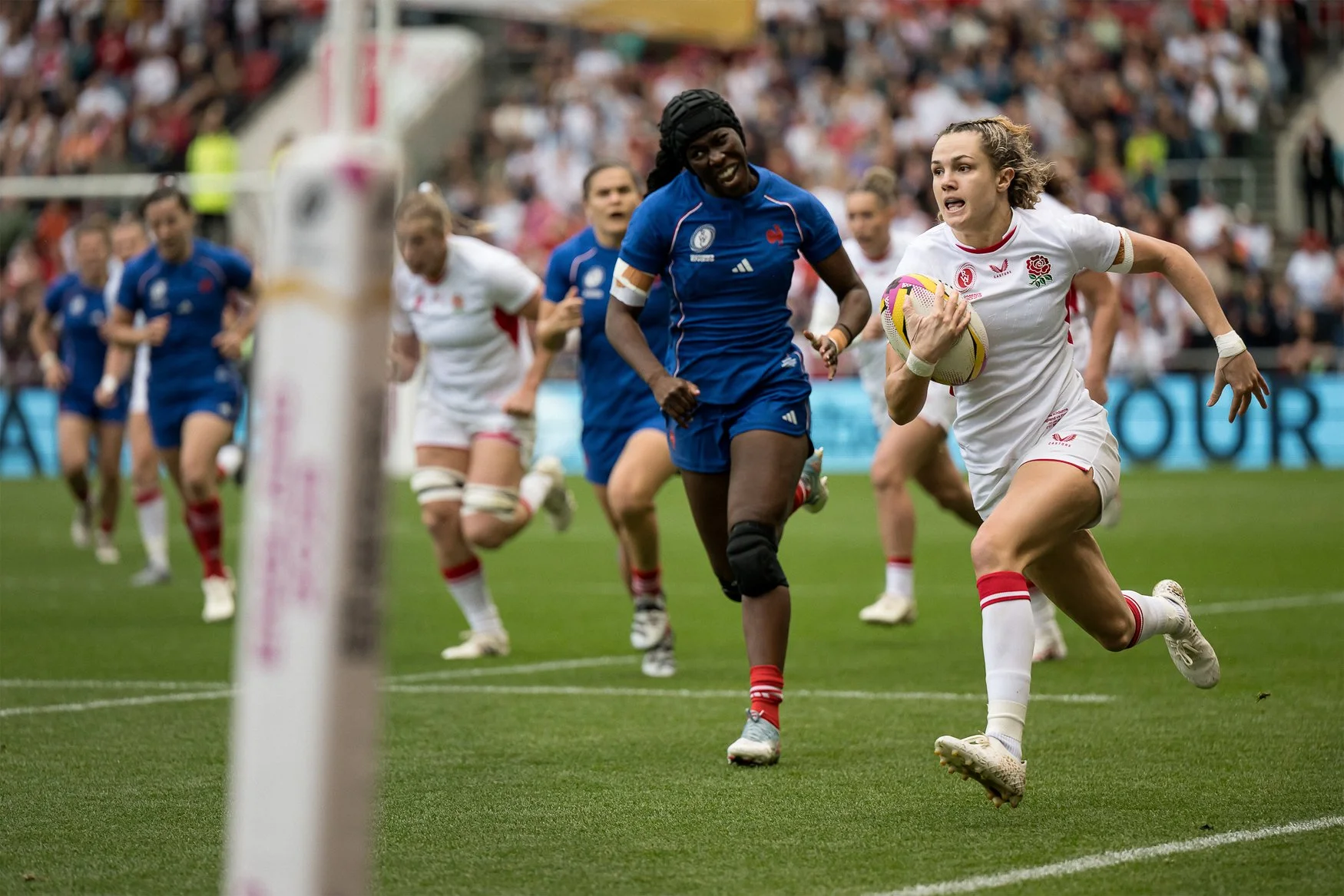
In summer 2025, Rugby Journal commissioned me to produce a 20-page photo essay of the tournament. Their belief in the project was genuine and meaningful, and I’m incredibly proud of the collaboration. However, the available budget couldn’t support the full scope of the work I wanted to make. To tell the story in the way I felt it deserved, I chose to self-fund a significant portion of the coverage. Across the tournament, I photographed 13 matches nationwide, from Sunderland to Brighton, Bristol, York and Northampton, producing more than 70,000 images and managing terabytes of data. It was physically demanding, financially risky and creatively consuming. Not because it was easy, but because it really mattered. Women’s rugby is living through a period of real momentum, and it deserved to be documented with care and depth.
I was incredibly grateful for the support of Nikon, who loaned additional camera bodies and lenses. That flexibility allowed me to move fluidly between crowd and pitch, adapt to changing conditions and respond quickly to moments as they unfolded. It made a tangible difference to the breadth of the story I was able to tell.
Access, Trust and Representing Sport Honestly
At the Rugby World Cup itself, I was one of a small number of women accredited as photographers. Many of the women I spoke to were breaking even or working at a loss, driven by belief rather than financial security. From what I observed, around 90 to 95 percent of accredited photographers were men. What united the women who were there wasn’t status or certainty, but commitment, a shared determination to see women’s sport represented through a female perspective.
I share this not as a complaint, but as context. Progress is real and deserves recognition. I recently listened to a Woman’s Hour discussion celebrating the growing presence of women in sports photography, and it was genuinely encouraging. But the next stage of the conversation must move beyond representation alone, towards pay, access and sustainability. These are the conditions that allow women not only to be present, but to remain and thrive, shaping the visual narratives that define sport, culture and identity.

Why This Work Matters Beyond the Tournament
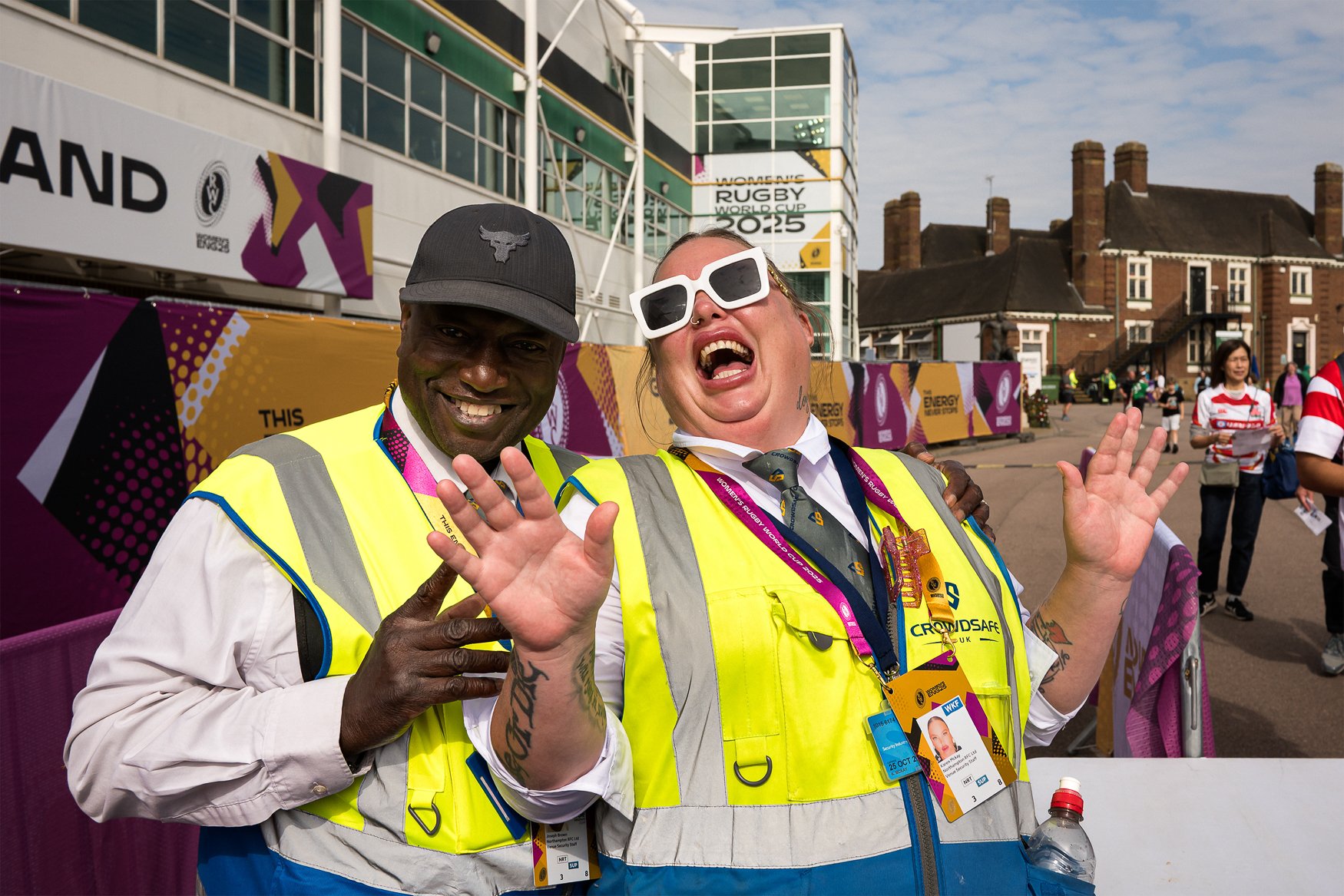
By the end of the tournament, I was exhausted. Two months of constant travel, long days, physical strain and financial pressure took their toll, alongside ongoing client work in between to help cover costs. Yet I left the Women’s Rugby World Cup inspired, hopeful and creatively energised. I gained far more than I gave. The experience reaffirmed why I do this work, and why thoughtful commissioning of a female sports photographer or specialist sports photographer truly matters. I also left with immense gratitude for the volunteers who helped make the tournament what it was. Many stepped far outside their usual roles, giving their time freely and welcoming everyone with warmth and generosity. England 2025 did women’s rugby proud. More importantly, it honoured the spirit of the game.
The human impact of this tournament wasn’t confined to the pitch. It lived in the crowds, the generosity and the shifting perceptions happening in plain sight. It lived in the connections formed and futures reimagined, both on the field and behind the lens. And I can’t wait to see where it takes us next.